
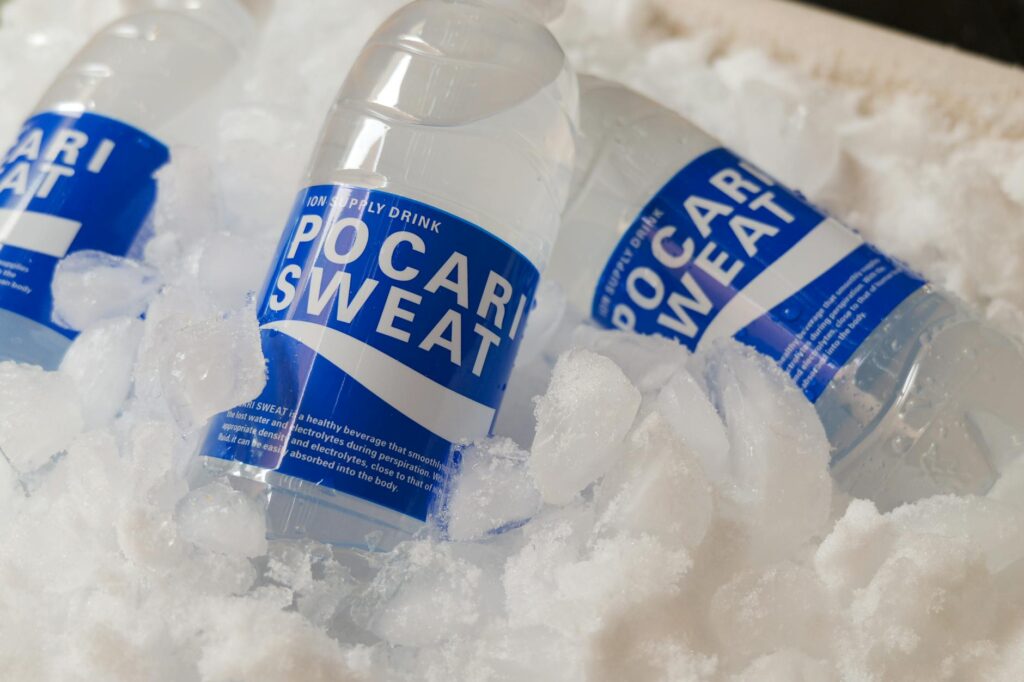
Electrolyte drinks for kids can be helpful in specific situations, but they are not something most children need every day. For healthy kids doing normal daily activities, water and regular meals usually provide enough hydration and minerals. Electrolyte drinks become more useful when a child has been sweating heavily, exercising for a long time, playing sports in hot weather, or losing fluids during vomiting or diarrhea.
For parents, the key question is not simply which drink is best. It is when electrolyte drinks for kids actually make sense, how to choose safer options, and how to avoid too much sugar or unnecessary use. If you want to see a kid-focused hydration option while reading, you can check this kids hydration mix on TurtlesEgg. This guide explains what electrolyte drinks are, when children may need them, signs of dehydration or electrolyte imbalance, and how to choose smarter hydration options for active children.
If you want more family wellness content after reading this guide, you can explore additional posts on the TurtlesEgg blog.
What Are Electrolyte Drinks for Kids?
Electrolyte drinks for kids are beverages or drink mixes that contain minerals such as sodium, potassium, and sometimes magnesium. These minerals help the body regulate fluid balance, nerve signals, and muscle function. When children sweat a lot or lose fluids from illness, they lose both water and electrolytes, which is why plain water is not always enough in every situation.
That said, electrolyte drinks are not automatically healthier than water. In many products, especially commercial sports drinks, added sugar can be high. The American Academy of Pediatrics has noted that while sports drinks can have a role for young athletes during prolonged intense exercise, they are generally unnecessary for the average child.
Why Electrolyte Drinks Matter for Some Children
Electrolyte drinks matter most when a child is losing fluids faster than normal intake can replace them. This can happen during long practices, tournaments in the heat, stomach illness, or recovery from vomiting and diarrhea. In those cases, replacing only water may not fully restore what the body has lost.
For most children, though, hydration basics still matter more than specialty drinks. HealthyChildren.org explains that plain water is one of the best hydration choices for kids, and for many everyday situations it should stay the default.
- Water is usually enough for school, play, and short activities
- Electrolyte drinks can help during prolonged sports or heavy sweating
- Oral rehydration solutions are often more appropriate during vomiting or diarrhea
- High-sugar sports drinks should not become an everyday beverage habit
Signs of Dehydration or Electrolyte Imbalance in Kids
One reason this topic matters is that parents sometimes miss early signs that a child is getting dehydrated. Mild dehydration can start with thirst, fatigue, headache, or dry lips. As it worsens, children may become dizzy, cranky, less active, or urinate less often.
HealthyChildren.org lists common dehydration signs in children such as dry mouth, fewer tears, reduced urination, and lower activity levels. See their guide to signs of dehydration in infants and children.
Possible warning signs include:
- Dry mouth or cracked lips
- Dark yellow urine or urinating less often
- Headache, tiredness, or unusual irritability
- Dizziness or muscle cramps after exercise
- Fewer tears when crying
- Less interest in play or activity
If symptoms are severe, persistent, or accompanied by repeated vomiting, lethargy, confusion, or inability to keep fluids down, parents should contact a pediatrician promptly.

When Do Kids Actually Need Electrolyte Drinks?
Kids may need electrolyte drinks during prolonged exercise, heavy sweating in hot weather, or illness-related fluid loss. This is where many parents get confused. The right answer depends on how much fluid and sodium a child is losing, not just whether they are active.
1. During Long Sports Sessions
For activities under about an hour, water is usually enough. HealthyChildren.org notes that for activities lasting less than an hour, water is sufficient for most children. Electrolyte drinks may become more useful during longer sessions, repeated games, or very hot conditions where sweating is heavy.
2. During Hot Weather or Summer Sports
Soccer tournaments, baseball doubleheaders, football camps, and summer practices increase sweat loss. Kids exercising in heat may need more structured hydration, especially if they are sweating heavily or showing early signs of heat strain. Parents looking for a convenient option to keep on hand can compare products like this electrolyte mix for kids on TurtlesEgg. HealthyChildren.org also explains in its heat illness guidance that poor hydration can contribute to cramps, dizziness, nausea, and headache during sports.
3. During Vomiting or Diarrhea
When kids are sick, oral rehydration solutions are often more appropriate than standard sports drinks. HealthyChildren.org recommends electrolyte solution for dehydration related to vomiting or diarrhea, especially for younger children. During illness, the goal is not sports performance. It is safe and steady replacement of fluids and minerals.
4. During Recovery After Heavy Sweating
Some children finish a long event sweaty, tired, and reluctant to eat right away. In that case, a low-sugar electrolyte option may help bridge the gap until they drink water and eat a normal snack or meal.
When Kids Usually Do Not Need Electrolyte Drinks
Most kids do not need electrolyte drinks for regular school days, short recess sessions, casual play, or light exercise. If a child is hydrated, eating normally, and not losing a lot of fluid, water is almost always the best first choice.
This is especially important because some parents start treating sports drinks like a daily wellness product. That can quickly lead to too much added sugar and unnecessary calories. It can also teach kids to expect flavored drinks instead of learning strong water habits.
- Short practices or play sessions under an hour
- Routine school days
- Low-intensity activities
- Meals and snacks where kids can replace minerals through food
- Situations where a child simply prefers a sweet drink
How to Choose Safe Electrolyte Drinks for Kids
Not all electrolyte drinks for kids are created equally. Some are designed for medical-style rehydration, some for sports, and some are mostly flavored sugar water with a health halo. Parents should look past front-label marketing and focus on ingredients and intended use.
- Choose lower-sugar options when possible
- Check sodium and potassium levels instead of focusing only on flavor
- Avoid caffeine completely
- Look for clear usage directions and serving sizes
- Match the product to the situation: sports, heat, or illness recovery
For young children, especially during sickness, it is smart to ask a pediatrician which type of hydration product is most appropriate. Medical oral rehydration products and standard sports drinks are not always interchangeable. If you want a broader look at water needs, dehydration warning signs, and everyday fluid habits, read our full hydration for kids guide.
Electrolyte Powder for Kids vs Ready-to-Drink Bottles
Parents often compare ready-to-drink options with powder sticks or packets. Each format has pros and cons.
Powders or Stick Packs
Powders can be convenient, portable, and easy to store in a sports bag. They also let parents control dilution by adjusting the amount of water used, though that only helps if the product directions are followed correctly.
Ready-to-Drink Bottles
Bottled products are convenient when you need grab-and-go hydration. The downside is that some can be higher in sugar, larger in serving size than necessary, or easier for kids to overconsume because they taste like a treat.
Homemade Options
Some parents prefer simple homemade options for mild needs, but recipes should be used carefully. For illness-related dehydration in children, especially younger kids, standardized oral rehydration solutions are often the safer choice because they are designed with a specific balance of fluid, sodium, and sugar. If you want a portable powder format to compare, here is the LIQUID IV kids hydration mix on TurtlesEgg.

How to Use Electrolyte Drinks for Kids Correctly
Electrolyte drinks work best when they are used in the right amount, for the right reason, and at the right time. Giving too much can be unnecessary, while giving too little during significant fluid loss may not help enough.
- Start with water first for normal daily hydration
- Use electrolyte drinks during heavy sweating, long sports, or notable fluid loss
- Follow the product’s serving directions carefully
- Do not use them as a replacement for regular meals
- Pair hydration with salty snacks or balanced meals when appropriate after sports
For active kids, HealthyChildren.org advises regular hydration during exercise and notes that water is often enough for shorter activity, while longer or hotter sessions may justify a sports drink. That makes moderation and context more important than brand hype.
Common Mistakes Parents Make
Using Electrolyte Drinks as an Everyday Beverage
This is one of the most common mistakes. If electrolyte drinks become a daily substitute for water, kids can end up consuming too much sugar and relying on flavored drinks for routine hydration.
Confusing Sports Drinks with Oral Rehydration Solutions
During vomiting or diarrhea, many standard sports drinks are not the best first option. Products specifically designed for rehydration are often more appropriate. HealthyChildren.org even cautions parents to be careful with commercial sports drinks when a child is vomiting.
Ignoring Sugar Content
Parents sometimes buy products based on colorful packaging or athletic branding without checking the nutrition label. Added sugar adds up quickly, especially if the drink is used often.
Waiting Too Long to Hydrate During Sports
Some kids finish practice already behind on fluids. It is easier to maintain hydration during activity than to recover from a hydration deficit afterward.
Assuming Every Child Needs the Same Hydration Plan
A child playing outdoors for 30 minutes does not need the same hydration strategy as a child spending two hours in summer heat at a tournament. Age, weather, duration, intensity, and illness all change the plan.
Best Practices for Safe Hydration in Active Children
If your child is active, the safest approach is to build a simple hydration routine instead of waiting until they are already thirsty, tired, or cramping. Encourage water before activity, fluid breaks during play, and a balanced snack or meal afterward. For long sessions in the heat, consider an electrolyte option if the activity truly justifies it.
This is also a good place to model smart habits: bring a reusable bottle, take regular breaks, and help kids recognize early signs like headache, dry mouth, or unusual fatigue.
For another seasonal wellness topic, you can also read Top Oxybenzone-Free Sunscreens of 2023, especially if your child spends long hours outdoors for sports and summer activities.
Recommended by TurtlesEgg
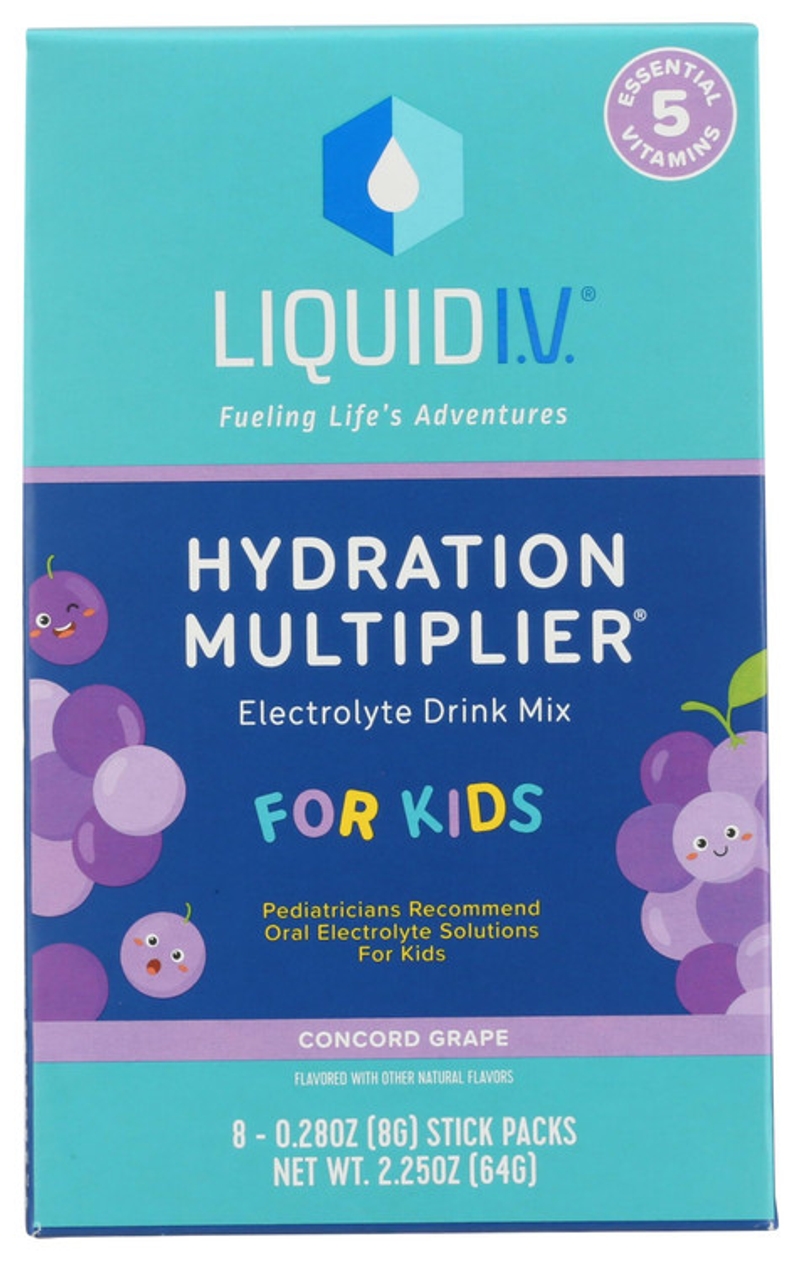
LIQUID IV Concord Grape Kids Hydration Mix 8 Count, 0.28 OZ
This kids hydration mix offers a portable way to support fluid replacement during travel, sports, or busy family days. As with any electrolyte product, it works best when used for the right situation rather than as an everyday replacement for water.
Frequently Asked Questions About Electrolyte Drinks for Kids
Kids may need electrolyte drinks during prolonged exercise, heavy sweating in hot weather, or when they are losing fluids from vomiting or diarrhea. For normal daily activities, water is usually enough.
Are electrolyte drinks better than water for kids?Not usually. Water is still the best everyday hydration choice for most children. Electrolyte drinks are most helpful when kids have lost both fluid and minerals through sweat or illness.
What is the best electrolyte drink for kids?The best option depends on why the child needs it. During illness, a pediatrician may prefer a standard oral rehydration solution. For sports, parents often look for lower-sugar products with clear serving guidance and no caffeine.
Are electrolyte powders safe for children?Electrolyte powders can be safe when they are age-appropriate and used as directed. Parents should check ingredient labels, serving sizes, and ask a pediatrician if the child is very young, has medical conditions, or is using them during illness.
What are signs that a child may need more hydration?Common signs include dry mouth, dark urine, less frequent urination, headache, dizziness, low energy, irritability, or fewer tears when crying. Severe symptoms or ongoing vomiting should be discussed with a medical professional promptly.
Final Thoughts on Electrolyte Drinks for Kids
Electrolyte drinks for kids can be useful, but they work best when parents use them with purpose. Most children do not need them every day, and water should still be the default drink for routine hydration. Electrolyte products make more sense during long sports sessions, heavy sweating, heat exposure, or illness-related fluid loss.
The smartest approach is simple: know the reason, read the label, watch sugar content, and match the product to the situation. When parents understand the signs of dehydration and the difference between water, sports drinks, and oral rehydration solutions, they can make much better decisions for their child’s health.
If you want a convenient option to compare, check the featured TurtlesEgg hydration product above and browse more guides on the TurtlesEgg blog.