
By TurtlesEgg Editorial Team
Reviewed for editorial accuracy by the TurtlesEgg Health Content Review Team
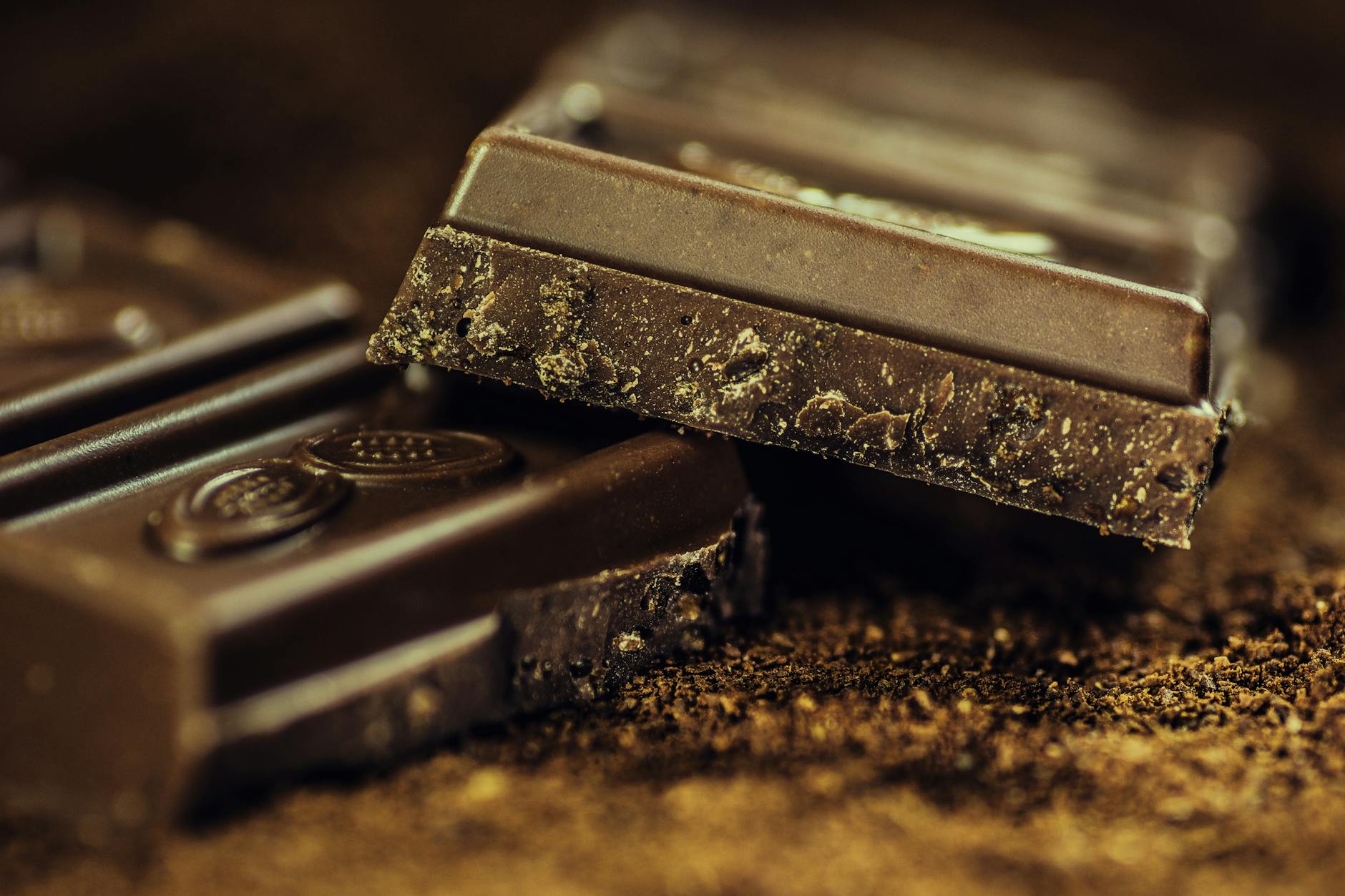
High protein chocolate snacks are popular because they promise something many people want: a snack that feels more substantial than candy but still tastes like a treat. For some shoppers, that means a better midday option than a vending-machine chocolate bar. For others, it means a convenient post-workout bite or a dessert-style snack with more structure and staying power.
Still, this category is easy to oversimplify. A chocolate snack can be high in protein and still be loaded with sugar, low in fiber, or poorly matched to the reason you are buying it. That is why the most useful question is not just whether a snack contains protein. It is whether the overall nutrition profile makes sense for your routine, appetite, and priorities.
This guide breaks down what high protein chocolate snacks are, what benefits they may offer, how to judge them more critically, and what separates a genuinely useful option from one that mostly relies on clever packaging. If you want to compare a real example while reading, this Death by Chocolate Protein Brownie on TurtlesEgg is a relevant product page to look at alongside the criteria below.
What Are High Protein Chocolate Snacks?
High protein chocolate snacks are chocolate-based products that provide meaningfully more protein than a standard sweet snack. They often come in the form of brownies, bars, cookies, bites, clusters, or dessert-style squares. Most are designed to be more filling than ordinary sweets and to fit a practical use case such as a between-meal snack, travel option, or post-exercise refuel.
Protein in these products may come from whey, milk protein, soy, egg white, collagen blends, or plant-based sources such as pea protein. Depending on the brand, the same snack may also be marketed as lower sugar, gluten-free, higher fiber, or lower carb. That variety is part of the category’s appeal, but it also means products can differ a lot in quality and purpose.
That last point matters. Two snacks may both say “protein” on the front, but one may function like a balanced snack while the other is still closer to dessert with a protein boost.
Why These Snacks Have Become So Popular
High protein chocolate snacks have grown with the broader shift toward more functional snacking. Many people want something portable, portioned, and more satisfying than standard sweets.
- They are easy to carry and store.
- They may feel more filling than conventional candy or pastries.
- They fit active, busy, and on-the-go schedules.
- Many come in single servings, which can help with portion control.
- They appeal to shoppers trying to make more intentional snack choices.
Protein is associated with fullness and appetite regulation, and higher-protein eating patterns are often studied in relation to satiety and weight-management strategies. Reviews in peer-reviewed literature have found that protein intake can affect appetite perception and satiety-related responses, although that does not automatically make every protein snack a smart buy. For background, see the review in Nutrients and related findings in this NIH-hosted study.
There is also a simpler reason for their popularity: they help people bridge the gap between “I want chocolate” and “I do not want a totally empty snack.” That is a powerful commercial and behavioral sweet spot.

What Benefits Can High Protein Chocolate Snacks Actually Offer?
They may be more satisfying than ordinary sweets
A chocolate snack with useful protein, and ideally some fiber, may help you feel fuller than a standard sweet snack built mostly around refined carbohydrates. Harvard Health notes that protein can contribute to satiety, which helps explain why protein-rich snacks often feel more substantial than sugary snacks alone. See Harvard Health.
They can be convenient for active schedules
For active adults, a portable protein snack can be useful when a full meal is not available soon after exercise. The American College of Sports Medicine notes that recovery nutrition matters and that carbohydrate and protein can support recovery needs around activity. See ACSM. A chocolate protein snack is not automatically an ideal recovery meal, but it can be a practical bridge.
They can create better portion boundaries
A single brownie, bar, or square can be easier to manage than an open bag of sweets or a large dessert. That does not make it a medical advantage, but it is a real everyday advantage for shoppers who do better with built-in stopping points.
They may fit specific dietary preferences
Some products aim to meet gluten-free, lower-sugar, or lower-carb preferences. Those claims can be useful, but they should not be taken at face value without checking labels. In the United States, the FDA regulates the use of the term “gluten-free” on food labels, and products using the claim must meet specific requirements. See the FDA’s guidance on gluten and food labeling.
How to Choose the Right High Protein Chocolate Snack
This is the part that matters most. The best option depends on why you are buying it. A snack that makes sense after a workout may not be the right desk-drawer snack for appetite control. A brownie with moderate protein but high calories may still be a reasonable dessert replacement, but it may not be the best “healthy snack” for someone who mainly wants lighter everyday options.
When you compare products, ignore the front label for a moment and work through the nutrition panel and ingredients like an editor, not a marketer.
1. Protein per serving
Look for a protein amount that is genuinely useful for a snack. The right number depends on your goals, but very low protein totals can make a product feel more like a regular sweet with a protein label attached.
2. Sugar content
Protein does not erase the effect of a high sugar load. If you want a more balanced snack, compare total sugars and added sugars. A product can still taste good without relying on heavy sweetness.
3. Fiber content
Fiber can help a snack feel more substantial. For people buying protein snacks for fullness, protein plus fiber is often a more useful combination than protein alone.
4. Calorie-to-protein ratio
This is an underrated filter. A snack can sound impressive because the protein number is high, but if the calorie count climbs just as fast, it may be functioning more like a dessert or mini meal. That is not always bad, but the role should be clear.
5. Ingredient quality and protein source
Whey and milk proteins are common because they are familiar, widely used, and well studied. Plant-based sources can work well for shoppers avoiding dairy. The key is not chasing one “perfect” protein source. It is checking whether the ingredients align with your own tolerance, preferences, and priorities.
6. Portion size
Nutrition numbers only mean so much if the serving size is unrealistically small or the product is easy to eat in multiples. A snack should make sense in the amount you are actually likely to eat.
7. Taste and texture
This is not secondary. A dry, chalky, or overly sweet product is much less likely to become part of a sustainable routine. If you hate eating it, it is not a good snack for you, no matter what the label says.
8. Intended use case
Before buying, decide what job the snack is supposed to do:
- Post-workout convenience
- Midday hunger control
- Dessert replacement
- Travel or commute snack
- A more structured alternative to candy
A protein snack that does not fit one of those roles clearly may not be worth the premium price.
What to Watch Out for Before Buying
There are a few common red flags in this category.
- A protein claim doing all the work: If the front of the package screams protein but the sugar, calories, or ingredients do not fit your goals, the product may be more branding than balance.
- Very low fiber with high sweetness: That combination can leave a snack feeling less satisfying than expected.
- Serving sizes that disguise the real picture: Always check what the numbers are based on.
- Texture compromises: Some products look strong on paper but are so dry or artificial-tasting that repeat purchase is unlikely.
- Health halo shopping: A protein snack can still be easy to overeat if you treat it as “free” because it sounds functional.
The strongest buyers in this category are usually the ones who treat the label like a comparison tool, not a promise.
Editorial Judgment: What Separates a Good Option From a Weak One?
A strong high protein chocolate snack usually gets the fundamentals right without pretending to be something it is not. It has enough protein to matter, sugar that is reasonable for its role, a portion size that makes sense, and a taste profile you would actually choose again.
A weaker product often misses in one of two ways. It either pushes a big protein number while ignoring taste and texture, or it leans hard into indulgence and hopes protein creates a health halo. In practice, good options respect both nutrition and the eating experience. Weak options force you to choose between them.
That is why a product like the Death by Chocolate Protein Brownie may fit readers who want a dessert-style format rather than a chalkier bar-style experience. The appeal is not that it is a miracle food. The appeal is that it may suit shoppers who want a portioned, chocolate-forward snack that feels more deliberate than buying a standard brownie or candy bar on impulse.

Who These Snacks May Be Best For
- Active adults: People who want a quick snack after training or long days when a full meal is not immediately available.
- Busy professionals: People who want something more filling than vending-machine sweets.
- Shoppers working on snack structure: A portioned protein snack may work better than open-ended grazing on sweets.
- People with specific dietary preferences: Some products cater to gluten-free, lower-sugar, or lower-carb goals.
- Dessert swappers: People who want a chocolate snack that feels treat-like but more intentional.
They may be less useful for people who already meet protein needs comfortably through meals and are mostly drawn in by health-focused packaging. In that case, the premium price is not always justified.
How to Use High Protein Chocolate Snacks in a Balanced Routine
These snacks work best when they serve a clear purpose.
- Use them between meals when you need something more satisfying than candy.
- Use them after activity if a full meal is not available soon.
- Use them as a dessert replacement if that helps with moderation.
- Use them during travel or errands when better options are limited.
They work less well when they become “health snacks” layered on top of a full day of eating. The practical goal is usually replacement, not accidental calorie stacking.
Are High Protein Chocolate Snacks Healthy?
Some are helpful, some are mostly fine, and some are more marketing than nutrition. The category is too broad for a yes-or-no answer. A more useful test is whether the product offers:
- meaningful protein for its serving size
- reasonable sugar for the role it is supposed to play
- a sensible portion size
- ingredients that align with your needs
- a taste and texture you would realistically choose again
If it checks those boxes, it may be a smart buy. If it does not, the protein label may be doing more work than the nutrition panel.
Product Example in Context
For shoppers who want a chocolate-forward, portioned snack in a brownie format, the Death by Chocolate Protein Brownie on TurtlesEgg is a useful example to compare against the criteria in this article. It may fit best for someone who wants a dessert-style protein snack rather than a traditional bar, especially if convenience and a treat-like format matter. The right way to evaluate it is the same way you should evaluate any snack in this category: check the protein, sugar, calories, serving size, and ingredient list against your actual goals.
Frequently Asked Questions About High Protein Chocolate Snacks
It is usually a chocolate-based snack with meaningfully more protein than a standard sweet snack, often through added whey, milk, soy, egg white, collagen, or plant protein.
Are these snacks good for weight loss?They can support a weight-management routine if they improve fullness and replace a less balanced snack. They are less helpful if they simply add extra calories on top of your usual intake.
Are high protein chocolate snacks good after workouts?They can be useful after activity when you need something portable and cannot get a full meal soon. Whether they are ideal depends on the product’s protein, calories, and how it fits into the rest of your recovery nutrition.
How much protein should a snack have?There is no universal number. A snack should have enough protein to support the job you want it to do, whether that is fullness, convenience, or post-workout support. Compare products in context instead of assuming the biggest number is always best.
Does gluten-free on the label actually mean something?Yes. In the United States, the FDA regulates gluten-free labeling, and products using the claim must meet specific requirements.
Final Take
High protein chocolate snacks can be genuinely useful, but they are not automatically smart buys just because the package says “protein.” The best approach is to match the snack to the job you need it to do. Look at protein, sugar, fiber, calories, portion size, and ingredients together. Then ask the practical question: would this work for my real routine, or does it only look good on the front of the package?
This article is for general informational purposes only and is not medical advice. Nutrition needs vary by person, activity level, medical history, and dietary pattern. For individualized advice, speak with a physician or registered dietitian.