

Hydration for kids is one of the simplest but most important parts of supporting healthy growth, energy, and focus. Children need enough fluids each day to help regulate body temperature, support digestion, maintain energy, and keep their brains and muscles working well. In most cases, water is the best first choice, but there are times when electrolyte drinks can also be helpful.
For parents, the most useful question is not just how much water a child should drink. It is also how to recognize dehydration, when kids may need more than water, and how to choose safer hydration products without relying on sugary drinks every day. If you want to compare a kid-focused hydration product while reading, you can view this kids hydration mix on TurtlesEgg.
This guide explains why hydration for kids matters, how much children generally need, common dehydration signs, the role of electrolytes, and the best hydration strategies for school days, sports, hot weather, and recovery after illness.
Why Hydration for Kids Matters
Hydration for kids matters because children lose fluid through breathing, sweat, activity, and normal body functions every day. When they do not replace enough of that fluid, energy, concentration, physical performance, and comfort can all drop. Even mild dehydration can make a child feel tired, irritable, or less focused.
Hydration also supports body temperature regulation, nutrient transport, and healthy digestion. During sports, hot weather, and illness, these needs can increase. That is why parents should think of hydration as a daily routine, not only something to worry about when a child already feels unwell.
How Much Water Do Kids Need?
The right amount depends on age, activity level, weather, and overall diet. Some children get fluid not only from drinks but also from fruits, vegetables, soups, and other foods. In general, older kids and highly active kids usually need more than younger or less active children.
The American Academy of Pediatrics promotes healthy hydration habits and encourages families to make water a routine choice throughout the day. You can review their family guidance on healthy hydration for children.
A practical approach for parents is to offer water consistently:
- with breakfast and meals
- in lunchboxes or school bottles
- before outdoor play or sports
- during activity breaks
- after exercise, heat exposure, or long car rides
Signs and Symptoms of Dehydration in Children
Parents should know the early signs of dehydration in children so they can act before symptoms get worse. Mild dehydration may begin with thirst, dry lips, lower energy, or a headache. As dehydration becomes more serious, children may urinate less often, feel dizzy, become irritable, or seem less interested in playing.
Common dehydration signs include:
- dry mouth or dry lips
- dark yellow urine
- urinating less often than usual
- fatigue or low energy
- headache or dizziness
- fewer tears when crying
- unusual irritability or sluggishness
Children’s Hospital of Philadelphia offers practical guidance on how to keep kids hydrated, especially during warm weather and active days. If a child is vomiting repeatedly, cannot keep fluids down, seems unusually sleepy, or has severe dehydration symptoms, parents should contact a medical professional.

What Are Electrolytes and Why Do Kids Need Them?
Electrolytes are minerals such as sodium and potassium that help balance fluids, support muscle function, and assist nerve signaling. Kids do not usually need special electrolyte products for normal daily hydration, but electrolytes become more relevant when children sweat heavily or lose fluids through illness.
That is why hydration for kids is not only about drinking more. It is also about replacing what the body loses in the right situations. During everyday life, meals and normal foods often provide enough electrolytes. During intense activity or recovery from vomiting and diarrhea, extra electrolyte support may make more sense.
When Electrolyte Drinks for Kids Make Sense
Electrolyte drinks for kids can be useful during prolonged sports, heavy sweating, hot weather, or fluid loss from sickness. They are usually not necessary for ordinary school days, short play sessions, or light activity.
During Long Sports or Intense Activity
Water is still the default for most shorter activities, but once practices get long, heat rises, or sweat loss becomes heavy, kids may benefit from drinks that replace both fluid and electrolytes. This is especially true for tournaments, camps, and repeated outdoor sessions.
During Hot Weather
Summer sports, playground days, and outdoor events can increase fluid loss quickly. If a child is sweating a lot, taking part in prolonged activity, or showing early dehydration signs, a low-sugar electrolyte option may be more helpful than plain water alone. Parents wanting a portable option can also compare this LIQUID IV kids hydration mix while evaluating what works best for their family.
During Vomiting or Diarrhea
When children lose fluids from vomiting or diarrhea, rehydration becomes more important and more urgent. In these cases, specially formulated rehydration drinks are often more appropriate than standard sports drinks because they are designed with a more specific balance of fluid, sodium, and sugar. Families should follow pediatric guidance when a child is sick and dehydrated.
Best Hydration Drinks for Kids
The best hydration drinks for kids depend on the situation. For routine daily life, plain water should still be the main drink. For longer sports sessions or hotter conditions, an age-appropriate electrolyte drink may help. For illness-related dehydration, parents may need a more targeted oral rehydration solution instead.
Water for Everyday Hydration
Water is usually the best daily choice because it hydrates without adding sugar, caffeine, or unnecessary ingredients. Building water habits early is one of the strongest long-term hydration strategies for kids.
Electrolyte Drinks for Sports and Heat
Electrolyte drinks can be more useful than water in certain high-sweat situations because they help replace both fluid and minerals. Still, parents should read labels carefully and avoid assuming that every colorful bottle marketed to families is a healthy everyday option.
Homemade Hydration Options
Some families prefer homemade options with water, fruit juice, and a small amount of salt for mild hydration support. These can be useful in some situations, but during sickness or significant fluid loss, carefully designed products are often safer and easier to measure accurately.
How to Choose Safer Hydration Products for Kids
Parents should look beyond front-label marketing and pay attention to what the product is actually designed to do. Some products are built for sports, some for recovery, and some are mainly sweetened beverages with a health-sounding name.
- choose products with clear serving guidance
- avoid caffeine completely
- watch the sugar content
- look for sodium and potassium, not just flavor claims
- match the product to sports, heat, or illness rather than daily routine use
If you want to compare a real example while reading, here is another link to the TurtlesEgg kids hydration product page.

Best Practices for Keeping Kids Hydrated
Hydration for kids works best when it becomes part of a daily routine instead of a last-minute fix. Children are more likely to stay properly hydrated when fluids are offered consistently before they feel very thirsty.
- send a water bottle to school
- offer water with every meal and snack
- schedule fluid breaks during sports and outdoor play
- increase attention to hydration during hot weather
- watch for dehydration signs instead of waiting for complaints
Incorporating Hydration into Daily Routines
Children respond well to routine. A child who drinks water at breakfast, after school, and before practice is much less likely to fall behind than one who only drinks when reminded late in the day.
Encouraging Kids to Drink More Water
Colorful bottles, fruit-infused water, and family-wide water breaks can make hydration feel normal instead of forced. Parents can also model the habit by drinking water regularly themselves.
Hydration Strategies for Active Kids
Active children should begin sports already hydrated, take drink breaks during activity, and rehydrate afterward. This matters even more during heat, travel sports, and multi-game days.
Hydration Tools and Resources for Parents
Parents do not always need complicated systems, but reminders, reusable bottles, and simple routines can help. Some families use hydration reminder apps, lunchbox notes, or color-marked bottles to make water intake easier to track. The real goal is consistency rather than perfection.
If your family is already thinking about hydration and outdoor wellness, you may also want to read Best Electrolyte Drinks for Kids in 2023 for a more product-focused comparison.
Recommended by TurtlesEgg
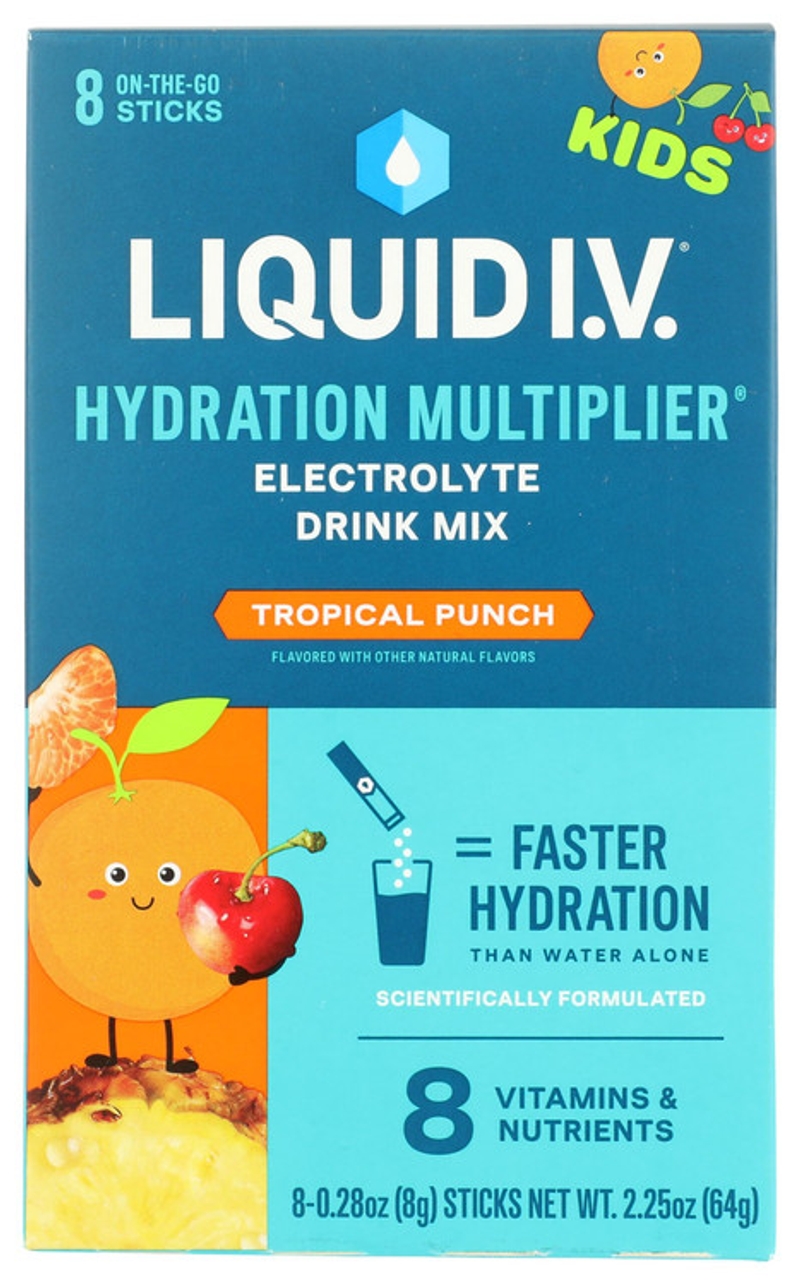
LIQUID IV Tropical Punch Kids Hydration Mix 8 Count, 0.28 OZ
This kids hydration mix offers a portable option for sports, travel, hot days, and recovery after heavy sweating. It is best used when extra hydration support is actually needed rather than as an everyday replacement for water.
Frequently Asked Questions About Hydration for Kids
The best approach is to offer water consistently throughout the day rather than waiting for a child to feel very thirsty. Water with meals, school bottles, sports breaks, and after-play hydration all help support steady hydration for kids.
What are the best hydration drinks for kids?For everyday hydration, water is usually the best drink for kids. During long sports sessions, hot-weather activity, or heavier fluid loss, an age-appropriate electrolyte drink may be more useful.
What are the signs of dehydration in children?Common signs include dry mouth, dark urine, reduced urination, headache, fatigue, irritability, dizziness, and fewer tears when crying. More serious or persistent symptoms should be discussed with a medical professional.
Why are electrolytes important for kids?Electrolytes help the body manage fluid balance, muscle function, and nerve signaling. Kids usually get enough through normal food and drinks, but extra electrolytes can be helpful during heavy sweating or fluid loss from illness.
How much water should kids drink daily?The right amount depends on age, activity level, weather, and diet. Instead of focusing only on one number, parents should make water available regularly and increase attention during sports, heat, and sickness.
Conclusion: Smarter Hydration for Kids
Hydration for kids is not just about handing over a bottle of water now and then. It is about building healthy routines, recognizing dehydration signs early, and knowing when water is enough versus when electrolyte support may help. For most kids, water remains the best everyday drink, while electrolyte products are better reserved for sports, heat, and specific recovery situations.
Parents who understand these basics can make better choices without overcomplicating the process. If you want to compare a kid-focused hydration product, review the featured TurtlesEgg hydration listing above and keep exploring family wellness content on the TurtlesEgg blog.