
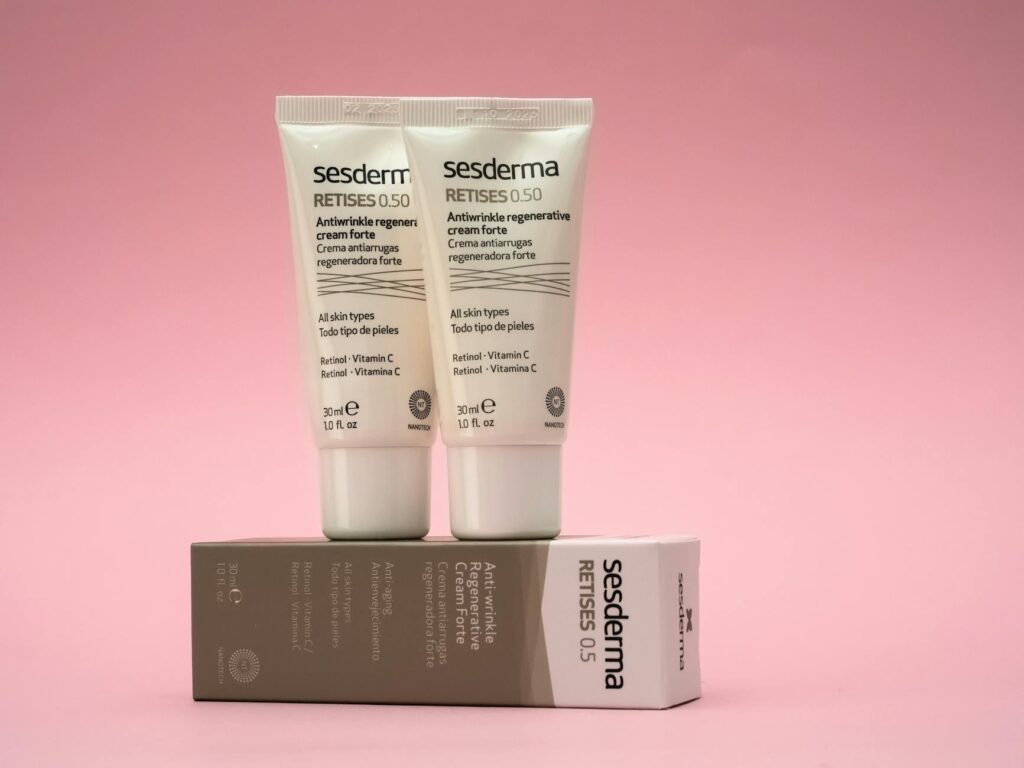
Retinol remains one of the most trusted skincare ingredients for people who want to improve the look of fine lines, uneven texture, dullness, and dark spots. As a form of vitamin A, retinol has been studied for its ability to support skin renewal and address visible signs of aging over time. According to the Cleveland Clinic, retinol is commonly used in over-the-counter creams, lotions, and serums because of its anti-aging effects and its ability to help improve acne.
Even so, retinol is not a magic ingredient that works overnight. It is also not always easy for beginners to use correctly. The best results usually come from choosing the right product, starting slowly, pairing it with moisturizer, and taking sun protection seriously. If you want a practical product example while reading, you can view this Neutrogena retinol moisturizer on TurtlesEgg.
This in-depth guide explains how retinol works, what benefits it offers, how to use it in a night routine, what side effects to expect, and how to choose a moisturizer that fits your skin goals. If you want an additional overview focused more broadly on the ingredient itself, you can also read our companion post on the benefits of retinol.
What Is Retinol and Why Is It So Popular?
Retinol is a vitamin A derivative used in skincare to help improve the appearance of fine lines, wrinkles, uneven tone, rough texture, and some forms of acne. It belongs to the broader retinoid family, which includes both over-the-counter and prescription-strength options. One reason it stays so popular is that it gives many people access to a proven anti-aging ingredient without jumping straight to a stronger prescription product.
The American Academy of Dermatology explains that products containing retinoids can help with mild acne, mild pigmentation irregularities, and mild fine lines and wrinkles. Their guidance also notes that many dermatologists advise starting with the least intense formula you can find and building up slowly as your skin adjusts. See their overview on retinoid or retinol.
Over the years, retinol has remained popular because it addresses multiple skin concerns at once. Instead of targeting only one issue, it can support smoother skin, clearer texture, and a more even-looking complexion with consistent use.
The Science Behind Retinol
How Retinol Works on Skin
Retinol works by encouraging skin cell turnover and supporting collagen-related skin renewal. As your skin sheds older surface cells more efficiently, newer-looking skin can come forward. Over time, this can improve the look of dullness, roughness, and uneven tone. The Cleveland Clinic notes that retinol can help with anti-aging concerns and acne care. That is one reason it shows up in so many different types of skincare products.
Retinoids have also been widely studied in photoaging research. A long-running review in the NIH’s PubMed Central archive explains that topical retinoids have shown both clinical and histological improvement in photoaged skin. In practical terms, that means retinoid-based skincare has a long evidence trail behind its use for visible signs of aging.
Retinol vs Retinoids
People often use the words retinol and retinoid interchangeably, but they are not exactly the same. Retinoid is the umbrella term. Retinol is a gentler over-the-counter form within that category. Prescription retinoids such as tretinoin are often stronger and may work faster, but they can also come with a higher chance of irritation.
For many people, that makes retinol a smart starting point. It lets beginners build tolerance and consistency before deciding whether they need a stronger option later.
Key Benefits of Retinol
Retinol is popular because it can support more than one visible skin goal at once. Most people start using it for wrinkles, but many continue because it also helps with texture, tone, and overall skin appearance.
Reducing the Look of Fine Lines and Wrinkles
This is the benefit people usually think of first. Retinol is well known for helping soften the appearance of early fine lines and improving the look of wrinkles over time. The Cleveland Clinic notes that retinols have anti-aging properties and can help improve the appearance of fine lines, wrinkles, and brown spots.
With regular use, retinol can make skin look smoother and more refined. Improvement usually happens gradually. That is why consistency matters more than intensity for most beginners.
Improving Skin Texture and Tone
Retinol is not only about wrinkles. It can also help improve rough texture, dullness, and uneven-looking tone. The AAD notes that retinoids can help with mild pigmentation irregularities and improve skin texture, which is part of why they are still so central in anti-aging routines.
If your skin feels bumpy, looks tired, or shows early sun-related changes, retinol can be a valuable part of a longer-term plan. It also pairs naturally with smart daytime sun protection. If you are reviewing sunscreen options alongside retinol, our guide to oxybenzone-free sunscreen can help you think through a more skin-friendly daytime routine.
Addressing Dark Spots and Post-Blemish Marks
Because retinol helps move old surface cells along more efficiently, it can gradually help skin look more even. That makes it useful for people trying to improve the appearance of post-acne marks, sun-related discoloration, or mild tone irregularities.
Retinol is not an instant pigment eraser, but over time it can support a more even-looking complexion when combined with sunscreen and a gentle routine.
Supporting Acne-Prone Adult Skin
Another major advantage of retinol is that it can support clearer-looking skin. The Cleveland Clinic identifies retinol as an ingredient that can also help clear acne. That makes it especially useful for adults dealing with both breakouts and visible signs of aging.
That is one reason retinol feels more versatile than many single-purpose ingredients. It may help someone dealing with dullness, blemishes, and early wrinkles in the same routine.
Why Moisturizer Pairing Matters
Many people focus only on the retinol itself and forget the importance of the overall formula. A retinol product combined with a moisturizing ingredient such as hyaluronic acid can be easier for beginners to tolerate. Neutrogena’s official product page for Rapid Wrinkle Repair states that its formula contains retinol and hyaluronic acid. The brand also says it instantly hydrates for smoother skin while improving the look of fine lines and wrinkles.
If you want a real example of that type of product, you can look at this retinol face moisturizer with hyaluronic acid on TurtlesEgg.
Who Should Consider Retinol?
Retinol can be a strong fit for adults who want to improve the appearance of early signs of aging, uneven tone, roughness, or recurring breakouts. It is especially useful for people who want one ingredient that can support multiple visible improvements over time.
Still, not everyone should jump in the same way. People with very sensitive or highly reactive skin may need a lower-frequency start. Those who are pregnant or considering pregnancy should talk to their physician before using retinol products. Neutrogena’s own product warnings specifically advise consulting a physician if pregnant or considering pregnancy.
How to Use Retinol Correctly
Best Practices for Beginners
Beginners usually do best when they start retinol slowly. The AAD recommends starting with the least intense formula you can find and using it every other night to begin. After that, you can build up as tolerated. Neutrogena’s official directions for Rapid Wrinkle Repair also say that retinol beginners should gradually phase it into their skincare routine and work up to daily use as tolerated.
A practical beginner method looks like this:
- start two to three nights per week
- use a pea-sized or pearl-sized amount
- apply on fully dry skin after cleansing
- follow with moisturizer if your skin feels tight or dry
- increase frequency only after your skin is tolerating it well
How to Build a Simple Retinol Night Routine
A good beginner retinol routine does not need to be complicated. In many cases, the best order is cleanser, retinol product, then moisturizer. If your skin is easily irritated, some people prefer the “sandwich” method, using moisturizer before and after retinol to soften the adjustment period.
According to Neutrogena’s official directions, the product should be applied daily to cleansed face and neck using a pearl-sized amount. Users should work up gradually if they are new to retinol.
Why Night Use Is Usually Best
Retinol is generally used at night because that fits both the routine flow and the way most products are formulated. Night use also reduces the chance that people will forget the sunscreen step the next morning. A dedicated night moisturizer can simplify this, especially if you want your retinol and hydration support in one product.

Common Retinol Mistakes to Avoid
Starting Too Often Too Fast
This is probably the most common mistake. People hear that retinol is effective and assume more must be better. In reality, irritation is one of the fastest ways to make someone quit the ingredient entirely. Start lower and build slowly.
Using Too Much Product
Retinol does not need to be applied in a thick layer to work. Overapplying often increases redness, peeling, or stinging without necessarily giving better results. A pearl-sized amount is a better target than a heavy coating.
Skipping Moisturizer
Many people treat dryness as unavoidable when using retinol, but the overall routine matters. Pairing it with a supportive moisturizer can improve comfort and help people stay consistent long enough to actually see results.
Ignoring Sun Protection
This is a major one. Neutrogena’s own directions say that in the daytime, users should always protect skin with a broad-spectrum SPF 30 sunscreen or higher. Their warnings also tell users to use sunscreen and limit sun exposure while using the product.
Because of that, sunscreen is non-negotiable in a retinol routine. If you are trying to upgrade that part of your regimen too, our article on oxybenzone-free sunscreen in 2026 can help you choose a daytime product more thoughtfully.
Potential Side Effects and Precautions
Mild redness, flaking, dryness, or a warm tingling sensation can happen when you start retinol. These effects are not unusual, especially at the beginning. Neutrogena’s warnings note that mild redness, tingling, or flaking can be normal temporary signs that the product is working. The same directions also advise users to reduce frequency if irritation persists and discontinue use if necessary.
Retinol may not be the best choice for everyone at every moment. People with highly compromised skin barriers, recent resurfacing procedures, or severe active irritation may need to pause and rebuild tolerance before adding it in. If your skin stings sharply, becomes persistently inflamed, or reacts beyond mild adjustment symptoms, it is smart to step back and speak with a dermatologist.
How Long Does Retinol Take to Work?
Retinol is a long-game ingredient. Some products make brand-specific claims about visible improvements in a week or a few weeks, but real-world results depend on your skin, your consistency, and the rest of your routine. The official Neutrogena page says its Rapid Wrinkle Repair night moisturizer smooths the look of fine lines in one week and fades the look of wrinkles in four weeks. That is the brand’s product-specific claim. Many users still need a longer time horizon to evaluate texture, tone, and overall visible improvement.
A practical mindset is to think in terms of months, not days. That helps you stay realistic and makes it less tempting to overuse the product too soon.
Retinol, Moisture, and Everyday Skin Support
Retinol is powerful, but it works best inside a routine that also supports your skin barrier. A strong routine includes moisturizer, sunscreen, gentle cleansing, and patience. Some people get so focused on the retinol percentage that they forget how important the rest of the routine is.
General wellness habits still help too. Hydration, sleep, and consistency all shape how skin looks and feels over time. If your household is also trying to improve everyday wellness routines more broadly, our guide to hydration for kids covers the basics of fluid balance and good daily habits for families.
Where to Find a Good Retinol Moisturizer
A good retinol product should match both your skin goals and your tolerance level. Some people do better with a standalone serum. Others prefer a moisturizer format that includes hydrating ingredients in the same step. The official Neutrogena Rapid Wrinkle Repair night moisturizer is formulated with retinol and hyaluronic acid and includes directions specifically for retinol beginners, which can make it easier to understand how to start.
If you want to compare a real option that fits the themes covered in this article, you can explore this Neutrogena retinol face moisturizer on TurtlesEgg. It is a useful example for anyone who wants a combined retinol-and-moisture format rather than building a routine around multiple separate products.
Recommended by TurtlesEgg
If you want a retinol moisturizer that combines anti-aging support with hydrating ingredients, this product is a strong example of the type of formula many beginners and intermediate users prefer.
Neutrogena Rapid Wrinkle Repair Retinol Face Moisturizer
This retinol moisturizer pairs retinol with hyaluronic acid and is positioned as a daily anti-aging face cream targeting fine lines, wrinkles, dullness, and dark spots. It can be a practical option for people who want both treatment and moisture support in one step.

Frequently Asked Questions About Retinol
Common early side effects of retinol can include dryness, mild redness, peeling, flaking, or a temporary warm or tingling feeling. These effects are often part of the adjustment period, especially when someone starts too quickly or uses too much.
How often should retinol be applied?Beginners usually do best starting two to three nights per week or every other night, then building up as tolerated. The exact schedule depends on the product, your skin sensitivity, and whether you are using other active ingredients.
Can retinol be used daily?Some people can use retinol daily once their skin has adjusted, but daily use is not the right starting point for everyone. Building tolerance gradually is usually safer and more sustainable.
Do I need sunscreen when using retinol?Yes. Daytime sun protection is essential when using retinol. Many retinol products, including official directions from Neutrogena, instruct users to wear broad-spectrum SPF 30 or higher and limit sun exposure while using the product.
Is a retinol moisturizer good for beginners?It can be. A retinol moisturizer that also includes hydrating support may feel easier to tolerate than a very strong treatment-first formula. Beginners often do best with gentle, consistent use rather than the strongest product possible.
The Bottom Line
Retinol remains one of the most useful over-the-counter skincare ingredients for improving the look of fine lines, uneven texture, dullness, and dark spots. It works best when people use it patiently, start slowly, support their skin barrier, and stay consistent with sunscreen. It is not about chasing overnight results. It is about building a smarter routine over time.
If you want a practical moisturizer example that combines retinol with hydrating support, review the featured Neutrogena product above. If you want more ingredient education, our benefits of retinol article is a useful next read, and if you are pairing retinol with daytime SPF, our guide to oxybenzone-free sunscreen in 2026 can help round out your routine.