
A throw blanket can look perfect folded over a sofa arm, then feel frustratingly small when you actually want to stretch out beneath it. Or it can be wonderfully soft but difficult to keep looking fresh in a busy home. The right choice is less about finding the trendiest blanket and more about matching it to the way you use your room.
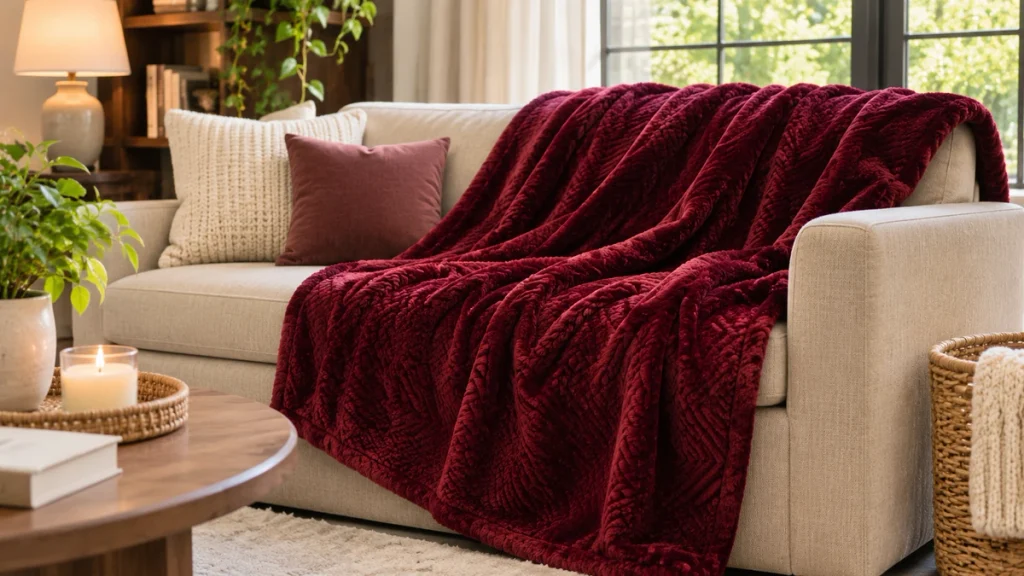
If you are choosing a throw blanket for sofa lounging, begin with three questions: How much coverage do you need? Which texture feels good against your skin? And can you follow its care instructions without adding work to your week? Color and styling come next, once those basics make sense.
Quick answer: Measure the area where the blanket will sit, then decide whether the throw is mainly for decoration or for wrapping up. Compare dimensions rather than relying on “oversized” alone. Feel or examine the fabric texture, check both sides, and read the actual care label before buying. A 60 × 70-inch plush throw can provide generous solo lounging coverage, but the best size depends on your sofa and how you sit.
Start With How You Will Really Use the Throw
Picture a typical evening. Do you pull a blanket over your legs while reading? Curl up from shoulders to toes for a movie? Keep a decorative accent at the corner of a sectional? Or need something guests can grab from a nearby basket? The answer changes what matters most.
Step 1: Choose the Right Size and Coverage
Throw sizes are not perfectly standardized. A commonly seen 50 × 60-inch throw may work for a chair, a folded sofa accent or someone sitting upright. A 60 × 70-inch throw gives more fabric to tuck around legs or pull up over the shoulders. Neither dimension guarantees full-body coverage for every person.
Measure the cushion, sofa arm or chair where you plan to display the blanket. If you want it to hang over the front, allow enough length for the fold and the visible drop. If you want to use it, imagine your preferred sitting position and whether your feet need to stay covered. A few measurements are more useful than a product label that simply says “large.”
A Decorative Drape Is Different From a Lounging Blanket
An oversized throw can look bulky when stacked on a small accent chair, yet feel just right on a deep sofa. Try folding a sheet or measuring tape to the advertised dimensions at home. This simple test helps you picture how much fabric will sit on the furniture and how much will hang down.
Step 2: Compare Fabric Feel, Not Just Fabric Names
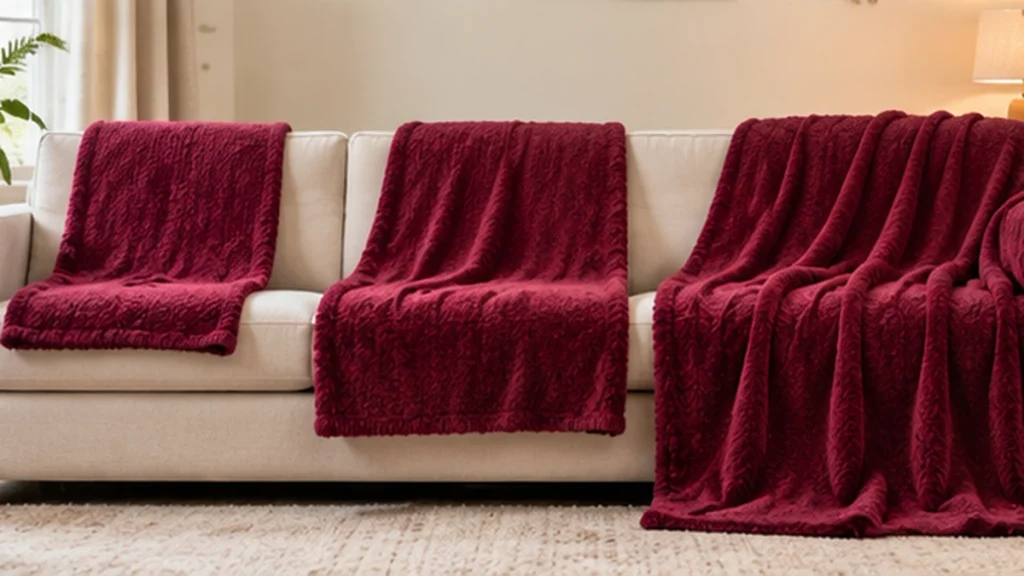
Two blankets labeled “plush” may feel completely different. One has a smooth, velvety surface; another has a fuzzy pile or a knit with visible loops. Look closely at the texture and thickness, and remember that the appearance of a fabric does not tell you exactly how warm it will feel in your room.
Cotton throws often appeal to shoppers who prefer a familiar woven or knitted feel. Wool blends can offer a different texture and may require more careful maintenance. Polyester plush throws are often chosen for a soft, fuzzy feel, but the actual construction matters more than the fiber name alone. Check the product specifications rather than treating any material as automatically better.
Step 3: Look at Both Sides of a Plush Throw
The front and reverse may serve different purposes. A textured face can add visual interest when the throw is folded across a sofa. A softer, fluffier underside may feel especially inviting against your legs. Reversible texture also creates more ways to style the same piece without buying another color.
For example, the Madison Park Elma Oversized Textured Plush Throw in Burgundy on TurtlesEgg is listed as a 60 × 70-inch throw. The manufacturer’s product details describe a 100% polyester, embossed micro-velour front and a micro-berber reverse. That combination makes it a helpful example of why shoppers should check fabric construction on both sides rather than judging only the main photograph.
Step 4: Choose a Color That Works With the Room
A throw is a low-commitment way to introduce color. You do not need to repaint a room or replace the sofa to change how a seating area feels. Start with colors already present in a rug, cushion, curtain or artwork, then decide whether you want the blanket to blend in or stand out.
Burgundy, for instance, can add a deeper accent to neutral upholstery, while pale shades may create a quieter look. Try looking at the color in daylight and in the warmer light you use at night; photographs and phone screens can shift how a fabric appears. An embossed pattern adds texture without requiring a bold printed design.
Step 5: Read the Care Instructions Before You Buy
“Machine washable” is useful information, but it is not a complete laundry plan. The Madison Park Elma product information describes the throw as machine washable. That does not mean every temperature, detergent, dryer setting or cleaning method is suitable. The attached care label and the manufacturer’s current instructions should guide the process.
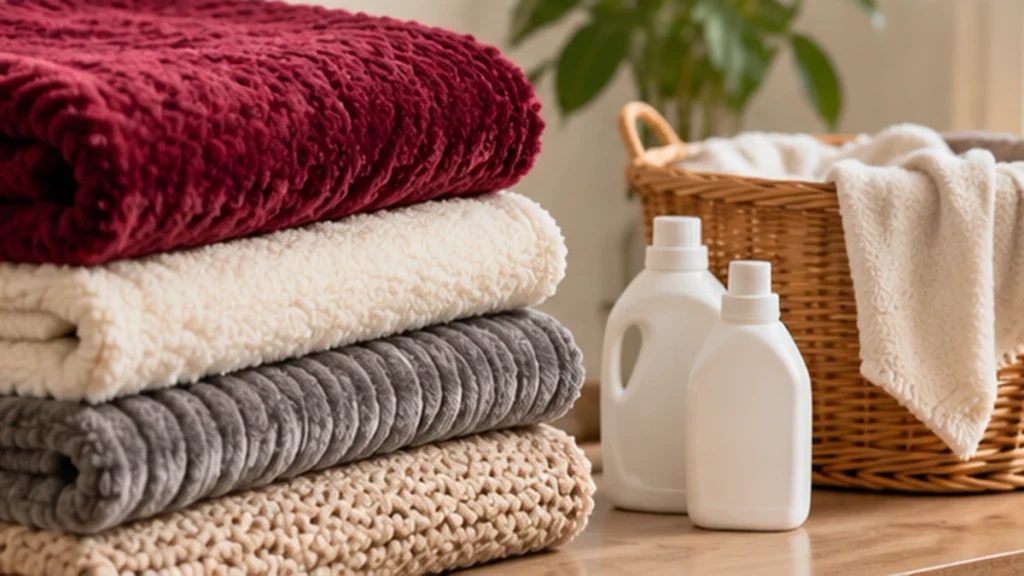
The American Cleaning Institute’s laundry basics guide recommends sorting laundry by color, fabric type and care instructions, and using appropriate wash and dry settings. For a throw, check whether it should be washed separately, whether decorative trims require care, and which drying method is specified. Do not guess about heat or use bleach just because the fabric is polyester.
Before its first wash, photograph the care tag if it is easy to lose or becomes unreadable. Follow the instructions for any stain treatment, and check that the blanket is fully dry before storing it. A throw that fits your real laundry routine is more likely to stay in regular use.
Step 6: Think About the People and Habits in Your Home
A shared living room has different demands from a formal sitting room. If children routinely use the throw on the floor, you may prioritize straightforward washing. If pets sleep on the sofa, consider how hair and claws might interact with a loose knit or deep pile. If guests use the room, keep a clean spare within reach.
Three Easy Ways to Style a Sofa Throw
Folded Over the Arm
Fold the blanket lengthwise and let one end hang neatly over an armrest. This keeps the sofa looking tidy and leaves the throw easy to grab when someone wants it.
Relaxed Across a Corner
For a more lived-in look, drape the throw across one seat and the back cushion. Let the texture show, but keep the main sitting area clear so guests do not have to rearrange the whole sofa.
Stored Within Reach
In a small room, a basket beside the sofa can be more practical than a carefully arranged throw. Fold it loosely enough to avoid constant restyling, and make it easy for family members to put away.
A Quick Throw Blanket Buying Checklist
- Decide whether your main goal is decoration, warmth, lounging or gifting.
- Measure the space and compare listed dimensions rather than trusting “oversized.”
- Check the front, reverse, texture and stated fiber content.
- Choose a color that works in both natural and evening light.
- Read the actual washing and drying instructions before purchasing.
- Compare product descriptions, photos and seller terms with care.
If you want a simple way to compare listing details rather than shopping by the first photograph, the TurtlesEgg guide to Best Shopping Practices offers more ideas for evaluating products and making informed choices.
Frequently Asked Questions
What size throw blanket is best for a sofa?
There is no universal best size. Around 50 × 60 inches can work for compact decorative use or a single seated person, while a 60 × 70-inch throw offers extra coverage. Measure your sofa and decide how you plan to use it.
Is an oversized throw blanket the same as a bed blanket?
Not necessarily. “Oversized” is a relative retail description, and throws can be smaller than standard bedding. Check the dimensions against the bed, chair or sofa before assuming it will cover the entire surface.
Are plush throw blankets easy to wash?
Some are machine washable, including the featured Elma model. Follow the care tag for washing and drying details; do not assume all plush or polyester throws can handle the same settings.
Can a throw blanket be both decorative and practical?
Yes. A texture and color that suit the room can also feel comfortable when used. Prioritize usable coverage and care first, then choose a drape and palette that make the throw look at home.
Choose a Throw You Will Actually Reach For
The most useful throw is not always the thickest or the most eye-catching. It is the one that fits your sofa, feels good in your hands and survives everyday life without special fuss. Compare dimensions, examine both fabric surfaces, and make sure the care instructions suit your routine.
You can view the burgundy Madison Park Elma plush throw on TurtlesEgg as a real 60 × 70-inch example, or explore TurtlesEgg for other home essentials. Take the time to compare the details, then choose a throw that looks welcoming and earns its place on the sofa.
Helping communities, one business at a time.